


 English
  Français
  Tiếng Việt
  Italiano
  Nederlands
  Türkçe
  Svenska
  Polski
  Română
  Latviešu
  한국어
한국어  Русский
  Español
  Deutsch
  Українська
  Português
  العربية
  Indonesian
  Čeština
  Suomi
Suomi  Eesti
Eesti  Български
  Dansk
Dansk  Lietuvių
  Bokmål
  Slovenčina
  Slovenščina
  Ελληνικά
  Magyar
  עברית
עברית 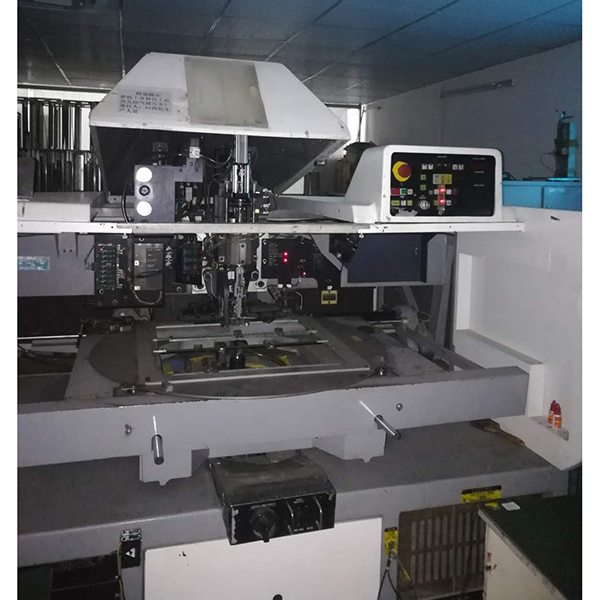
through-hole pth including DIP insertion and soldering
Through-hole assembly is an important process in the electronics manufacturing industry, mainly referring to inserting various DIP, through-hole, and PTH electronic components into PCB holes as required by the design, followed by subsequent soldering.
Description
Common Plug-in (Through-Hole) Components
Common plug-in (through-hole) components include, but are not limited to, DIP packaged ICs, electrolytic capacitors, ceramic capacitors, inductors, transformers, crystal oscillators, connectors, pin headers, pin sockets, relays, fuses, switches, and power devices such as TO-220 and TO-92. Through-hole insertion is not only suitable for DIP (Dual In-line Package) components, but also comprehensively covers all electronic parts that require PTH (Plated Through Hole) insertion.
Through-Hole Assembly Process
- Preparation and Sorting: According to the customer’s BOM and production plan, all through-hole components required for insertion are prepared and sorted.
- Insertion: Operators or automated machines insert components—including DIP chips and various PTH parts—into specified PCB holes, ensuring correct position, orientation, and polarity.
- Lead Forming (if needed): For some components, leads are pre-formed to better fit PCB holes and the soldering process.
- Inspection and Correction: Inserted components are checked for accuracy, and any misplacements are corrected promptly to ensure assembly quality.
- Soldering: Wave soldering or manual soldering is used to firmly attach the leads of all inserted components to PCB pads, ensuring reliable electrical connections.
- Lead Trimming and Cleaning: Excess leads are trimmed after soldering, and residual flux is cleaned to improve product appearance and performance.
Main Applications of Through-Hole Assembly
Through-hole assembly is widely applied in various electronic products, especially those requiring high reliability, high power, or easy maintenance. Typical applications include household appliances (such as TV, audio, washing machine control panels), industrial controls (motherboards, PLCs, inverters), communication equipment (routers, switches), automotive electronics (dashboards, power modules), instrumentation, medical devices, and testing instruments.
Advantages of Through-Hole Assembly
- Suitable for DIP chips and all through-hole components, supporting a wide range of processes.
- High mechanical strength and robust solder joints, with excellent vibration resistance and reliability.
- Supports high-power and large-size components for better heat dissipation and current carrying.
- Easier maintenance and replacement of inserted components, lowering maintenance costs.
- Mature process and advanced equipment, suitable for various electronics manufacturing needs.
Difference Between Through-Hole Assembly and SMT
Through-hole assembly (PTH) is mainly used for larger or mechanically demanding components, while SMT (Surface Mount Technology) is ideal for miniaturized, high-density, and highly automated assemblies. The advantages of through-hole assembly are high reliability and easier repair, while SMT can save space and improve production efficiency.
Our Through-Hole Assembly Service Advantages
We have an experienced team specializing in insertion and soldering, supporting both manual and automated processes. We can fulfill a full range of requirements including insertion, soldering, lead trimming, and cleaning for all PTH components, including but not limited to DIP packages. Strict quality control ensures stable and reliable product quality. We can tailor the process and inspection standards to customer needs, truly providing one-stop through-hole assembly services.