


 English
  Français
  Tiếng Việt
  Italiano
  Nederlands
  Türkçe
  Svenska
  Polski
  Română
  Latviešu
  한국어
한국어  Русский
  Español
  Deutsch
  Українська
  Português
  العربية
  Indonesian
  Čeština
  Suomi
Suomi  Eesti
Eesti  Български
  Dansk
Dansk  Lietuvių
  Bokmål
  Slovenčina
  Slovenščina
  Ελληνικά
  Magyar
  עברית
עברית 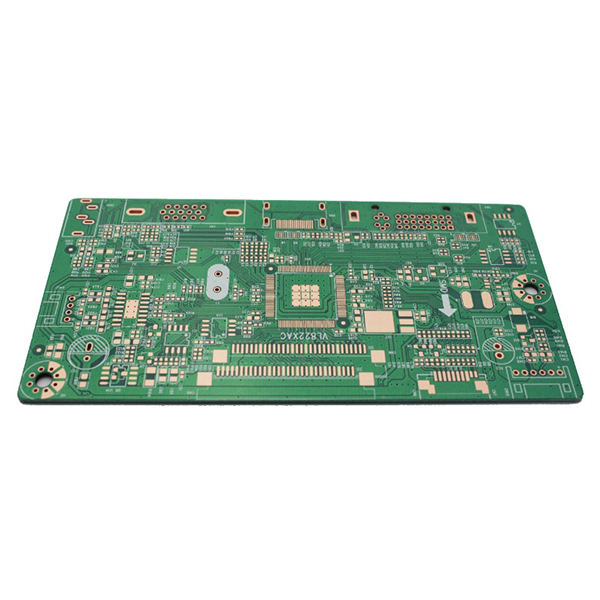
resin-filled via PCB for enhanced reliability and soldering
A resin-filled via PCB (Resin Plugged Via PCB or Resin-filled Via PCB) refers to a printed circuit board in which vias are filled and sealed with resin during the PCB manufacturing process.
Description
The Purpose of Resin-filled Via Processing
The purpose of resin-filled via processing is to prevent solder from flowing into the vias, enhance the reliability of the board, and meet special process requirements such as high-density interconnects (HDI).
Main Features
- Resin Plugged Vias: Resin is filled into the vias (usually blind, buried, or through vias), cured, and surface-treated to ensure there are no voids inside the holes.
- Smooth Surface: After resin filling, grinding and copper plating can be performed to ensure a flat pad surface, making it suitable for mounting fine-pitch packages such as BGA and CSP.
- Improved Reliability: Prevents issues such as bubbles or solder balls during soldering, increasing conduction reliability and mechanical strength.
Main Applications
- High-density interconnect PCBs (HDI PCB).
- Multilayer boards that require blind/buried vias and via plugging designs.
- PCB designs for high-reliability, fine-pitch components (such as BGA and CSP packages).
- Special requirements to prevent solder paste from penetrating into the vias.
Differences from Ordinary Vias
- Ordinary vias are usually empty and serve only for electrical connection, without plugging treatment.
- Resin-filled via PCBs are filled with resin, meeting higher process and assembly requirements.