


 English
  Français
  Tiếng Việt
  Italiano
  Nederlands
  Türkçe
  Svenska
  Polski
  Română
  Latviešu
  한국어
한국어  Русский
  Español
  Deutsch
  Українська
  Português
  العربية
  Indonesian
  Čeština
  Suomi
Suomi  Eesti
Eesti  Български
  Dansk
Dansk  Lietuvių
  Bokmål
  Slovenčina
  Slovenščina
  Ελληνικά
  Magyar
  עברית
עברית 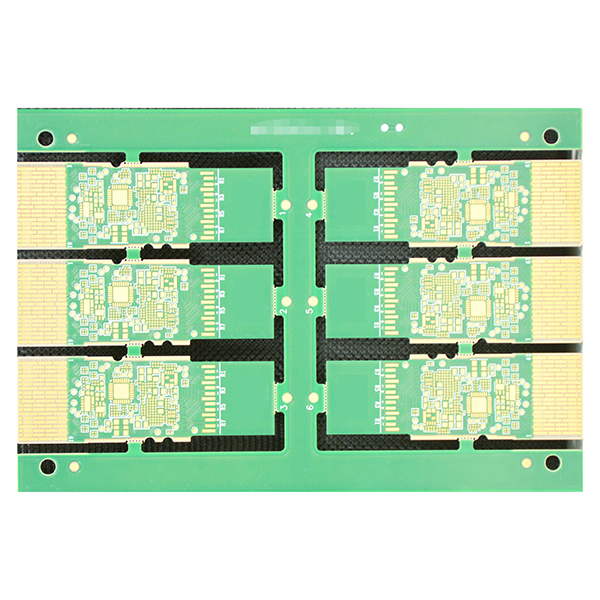
PCB fabrication solutions for high-speed optical module
In the fabrication process of optical module PCBs, Very Low Loss or higher grade high-speed materials are usually selected, or hybrid pressing with FR4 is used, to achieve excellent signal integrity and high-speed data transmission performance.
Description
Optical modules are widely used in high-speed data transmission fields. With the rapid development of servers, especially AI servers, the market demand for optical modules continues to grow and their applications are becoming increasingly widespread. Optical module PCBs are typically designed with a high level of integration to meet the needs for small size and high interface density. Most products adopt HDI (High-Density Interconnect) structures, featuring compact sizes for easy integration. The design of optical module PCBs balances high-frequency characteristics and low insertion loss, ensuring excellent electrical performance and stability even at high speeds.
Main Features of Optical Module PCB Fabrication
- Uses HDI high-density interconnect structures, supporting micro-via and buried/blind via processes to achieve high integration and miniaturization.
- Selects Very Low Loss or higher grade high-speed materials to effectively reduce signal loss and ensure signal transmission quality.
- Supports multi-layer hybrid pressing processes, compatible with both FR4 and high-speed materials for optimized cost-performance ratio.
- Precise dimensional control and excellent impedance consistency meet the stringent requirements of high-speed signal transmission.
- Good thermal management capability to adapt to high-power optical module application scenarios.
- Customizable in terms of size, layer count, and interface type according to customer needs, enabling diverse applications.
Main Applications
- High-speed optical modules for data centers, such as 100G, 200G, 400G, and higher-rate optical modules.
- Optical interconnect modules for AI servers and high-performance computing servers.
- Optical modules in 5G communication devices, base stations, and transmission networks.
- Optical modules in high-speed Ethernet switches, routers, and other networking devices.
- Data transmission modules for storage and cloud computing platforms.
- Other industrial and medical equipment fields requiring high-speed, high-bandwidth transmission.