


 English
  Français
  Tiếng Việt
  Italiano
  Nederlands
  Türkçe
  Svenska
  Polski
  Română
  Latviešu
  한국어
한국어  Русский
  Español
  Deutsch
  Українська
  Português
  العربية
  Indonesian
  Čeština
  Suomi
Suomi  Eesti
Eesti  Български
  Dansk
Dansk  Lietuvių
  Bokmål
  Slovenčina
  Slovenščina
  Ελληνικά
  Magyar
  עברית
עברית 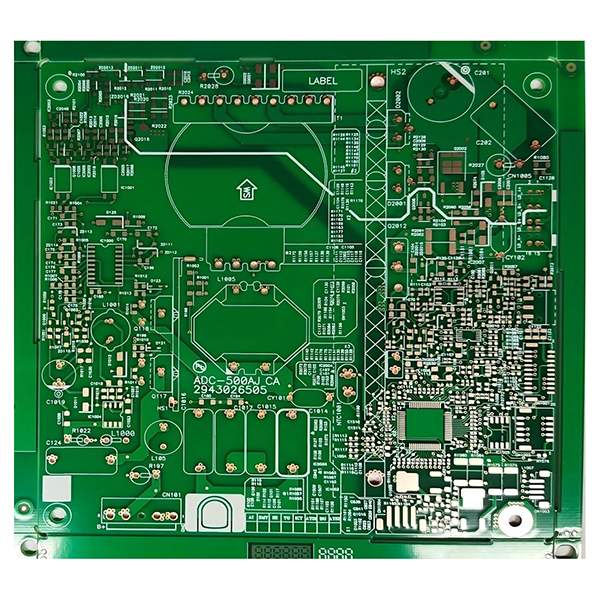
OSP PCB with organic solderability preservative surface
Oxidation-Prevention OSP is a surface treatment that prevents oxidation of PCB copper surfaces through an organic protective film, balancing environmental protection with excellent solderability.
Description
Organic Solderability Preservative (OSP) for PCB Surface Treatment
Description
Organic Solderability Preservative (OSP) is an environmentally friendly process commonly used for printed circuit board (PCB) surface treatment. Its primary function is to coat the bare copper surface of PCBs with an organic protective film, preventing oxidation during storage and transportation while ensuring excellent solderability for subsequent assembly.
Key Features
- Environmentally friendly and lead-free, compliant with RoHS standards.
- Maintains copper surface solderability, suitable for lead-free soldering.
- Simple process with relatively low cost.
- Thin coating does not affect electrical performance.
Environmental and Lead-Free Advantages
- OSP process contains no lead components. OSP utilizes organic compounds (such as amines or phenols) to form an extremely thin organic protective layer on the PCB copper surface, which is entirely free of lead or other harmful heavy metals.
- Eliminates the need for electroplating or immersion in heavy metal solutions. Certain traditional surface treatments (e.g., lead-containing tin plating) require lead-containing materials, whereas the OSP process involves only organic chemicals and does not use metallic lead.
- Complies with environmental regulations like RoHS. The OSP surface treatment process is recognized and widely adopted by major international environmental standards (e.g., the EU RoHS Directive), fully meeting requirements for lead-free and non-hazardous substances.
- Compatible with lead-free solder for subsequent assembly. OSP-treated boards can be used with lead-free solder during electronic assembly, further ensuring the environmental and lead-free compliance of the entire electronic product.
Typical Applications
- Consumer electronics.
- Computers.
- Telecommunications.