


 English
  Français
  Tiếng Việt
  Italiano
  Nederlands
  Türkçe
  Svenska
  Polski
  Română
  Latviešu
  한국어
한국어  Русский
  Español
  Deutsch
  Українська
  Português
  العربية
  Indonesian
  Čeština
  Suomi
Suomi  Eesti
Eesti  Български
  Dansk
Dansk  Lietuvių
  Bokmål
  Slovenčina
  Slovenščina
  Ελληνικά
  Magyar
  עברית
עברית 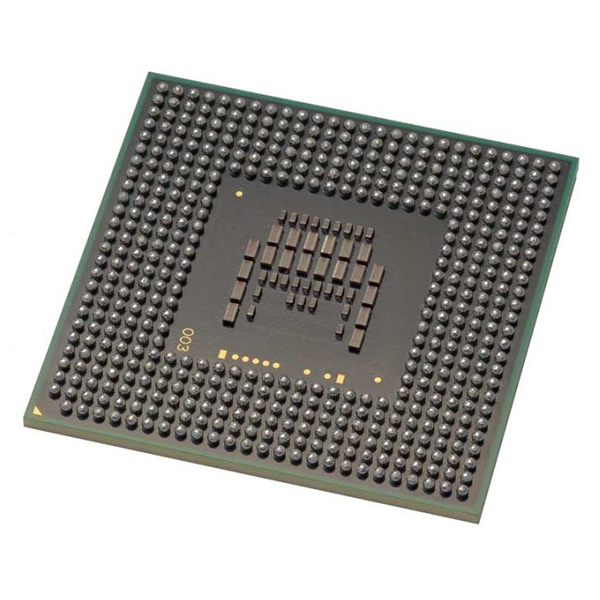
IC substrate for connecting chips to circuit boards
IC substrates serve as high-precision microcircuit boards connecting chips to circuit boards, functioning as indispensable critical components in modern high-end chip packaging and electronic products.
Description
IC Substrate, fully known as Integrated Circuit Substrate, is a micro-circuit board used to carry and connect integrated circuit chips (IC) with printed circuit boards (PCB). It serves as a bridge between the chip and the mainboard, acting as an indispensable key material and structure in advanced packaging technology.
Primary Functions of IC Substrate
- Support and protect the chip: Physically carries the chip, safeguarding it from damage.
- Electrical connection: Links IC chip pins (or solder balls) to the PCB via micro-fine traces, enabling signal and power transmission.
- Thermal management: Assists in dissipating heat from the chip to maintain its operating temperature.
- Enabling high-density packaging: Supports high-density, high-performance packaging methods such as BGA, CSP, and FC.
Types of IC Substrates
- BT Substrates: Primarily composed of BT resin, suitable for most general-purpose IC packaging.
- ABF Substrates: Utilizing ABF (Ajinomoto Build-up Film) material, ideal for high-density, high-speed chip packaging such as high-end CPUs, GPUs, and network chips.
- Ceramic Substrates: Employed in ultra-high-frequency, high-reliability applications like aerospace and military sectors.
Differences Between IC Substrates and Traditional PCBs
- Features finer traces, greater layer counts, smaller via apertures, and more complex manufacturing processes.
- Supports higher I/O density and stricter signal integrity requirements.