


 English
  Français
  Tiếng Việt
  Italiano
  Nederlands
  Türkçe
  Svenska
  Polski
  Română
  Latviešu
  한국어
한국어  Русский
  Español
  Deutsch
  Українська
  Português
  العربية
  Indonesian
  Čeština
  Suomi
Suomi  Eesti
Eesti  Български
  Dansk
Dansk  Lietuvių
  Bokmål
  Slovenčina
  Slovenščina
  Ελληνικά
  Magyar
  עברית
עברית 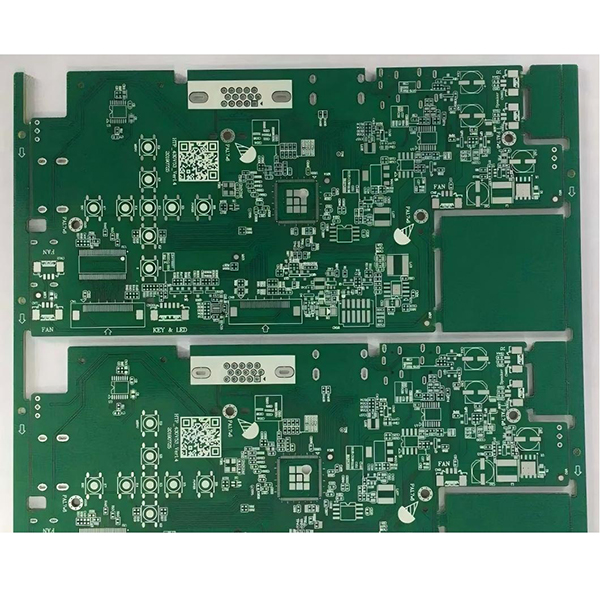
immersion tin PCB for solderability and oxidation protection
Chemically tinned boards are PCBs coated with a layer of tin deposited chemically. Their primary functions are oxidation prevention and enhanced solderability, making them a common eco-friendly surface treatment method.
Description
Electroless Tin Plating for PCBs
Electroless tin plating, fully known as chemical tin plating (commonly referred to as Electroless Tin PCB or Immersion Tin PCB), is a widely used surface treatment process for printed circuit boards (PCBs).
Its primary purpose is to deposit a uniform layer of pure tin (Sn) onto the copper surface of the PCB through a chemical reaction. This protects the copper layer from oxidation and enhances solderability.
Key Features
- Excellent Solderability: The smooth, flat surface of the electroless tin layer is ideal for SMT and fine-pitch component soldering.
- Environmentally Friendly &. Lead-Free: Complies with RoHS environmental standards, free of lead and harmful heavy metal residues.
- Oxidation Prevention: The tin layer effectively isolates copper from air, preventing oxidation.
- Simple Process &. Low Cost: Offers lower costs compared to high-end treatments like electrolytic gold immersion (ENIG).
Application Areas
Primarily used in general consumer electronics, standard communication boards, home appliance control boards, and other applications where extreme reliability is not required.